Momul Tea Factory PLC celebrates a significant milestone.in its journey towards sustainable tea production, environmental conservation and responsible business practices. The recognition at the Africa Commerce & Industry Summit & Awards (ACIS) 2026 highlights the importance of building a tea industry that supports farmers, protects the environment and contributes to community development.The award forms part of the KNCCI @ 60 — ACIS Gala Awards, organised by the Kenya National Chamber of Commerce and Industry (KNCCI) to recognise businesses and organisations making a positive contribution to Kenya’s economy and business environment.
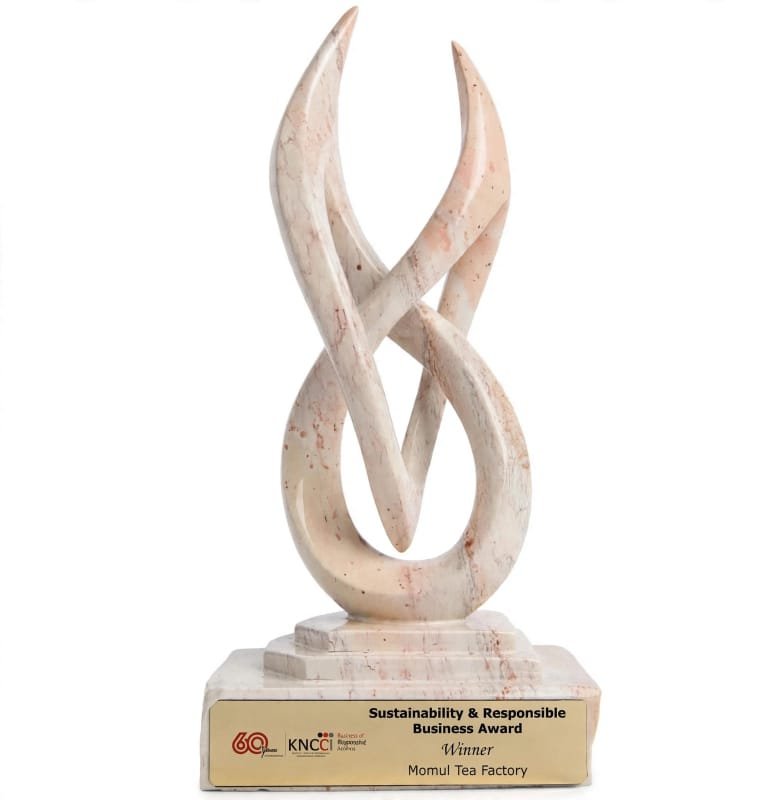
What the Sustainability and Responsible Business Award Means
Sustainability goes beyond producing quality tea.It involves responsible use of resources, protecting the environment, supporting livelihoods and ensuring that business growth creates lasting benefits for communities.This commitment is reflected in initiatives that connect tea production with environmental responsibility and farmer welfare.The factory’s nomination for the Sustainability & Responsible Business Award recognised its ongoing sustainability and community-focused initiatives.

1. Promoting Renewable Energy and Environmental Conservation
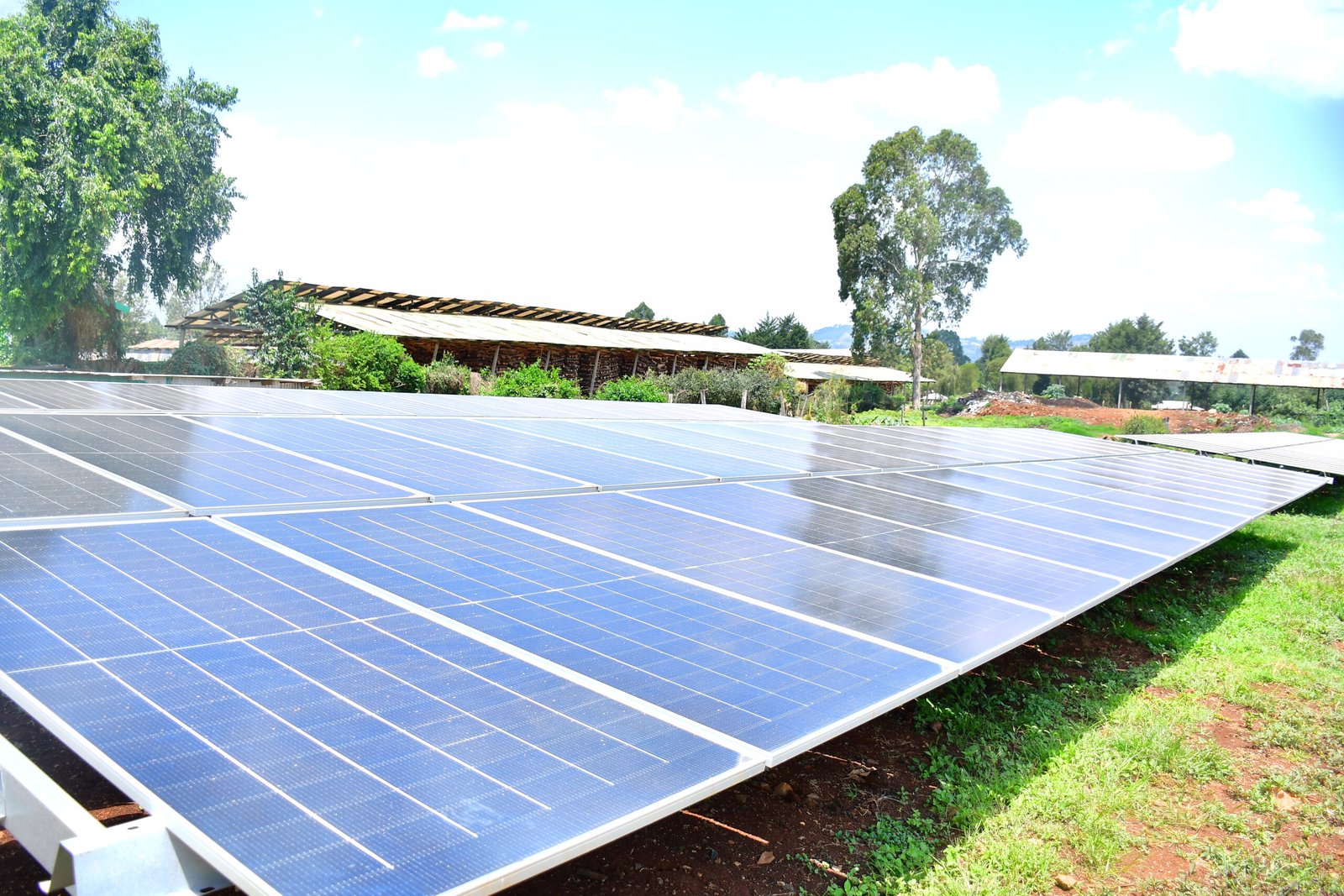
Tea processing requires energy, making efficient energy use an important part of sustainable manufacturing.Momul Tea Factory has adopted renewable energy sources to reduce its carbon footprint and reliance on firewood commonly used in tea processing. These efforts support cleaner energy alternatives and help address pressure on forest resources.
2. Empowering Tea Farmers Beyond Tea Farming
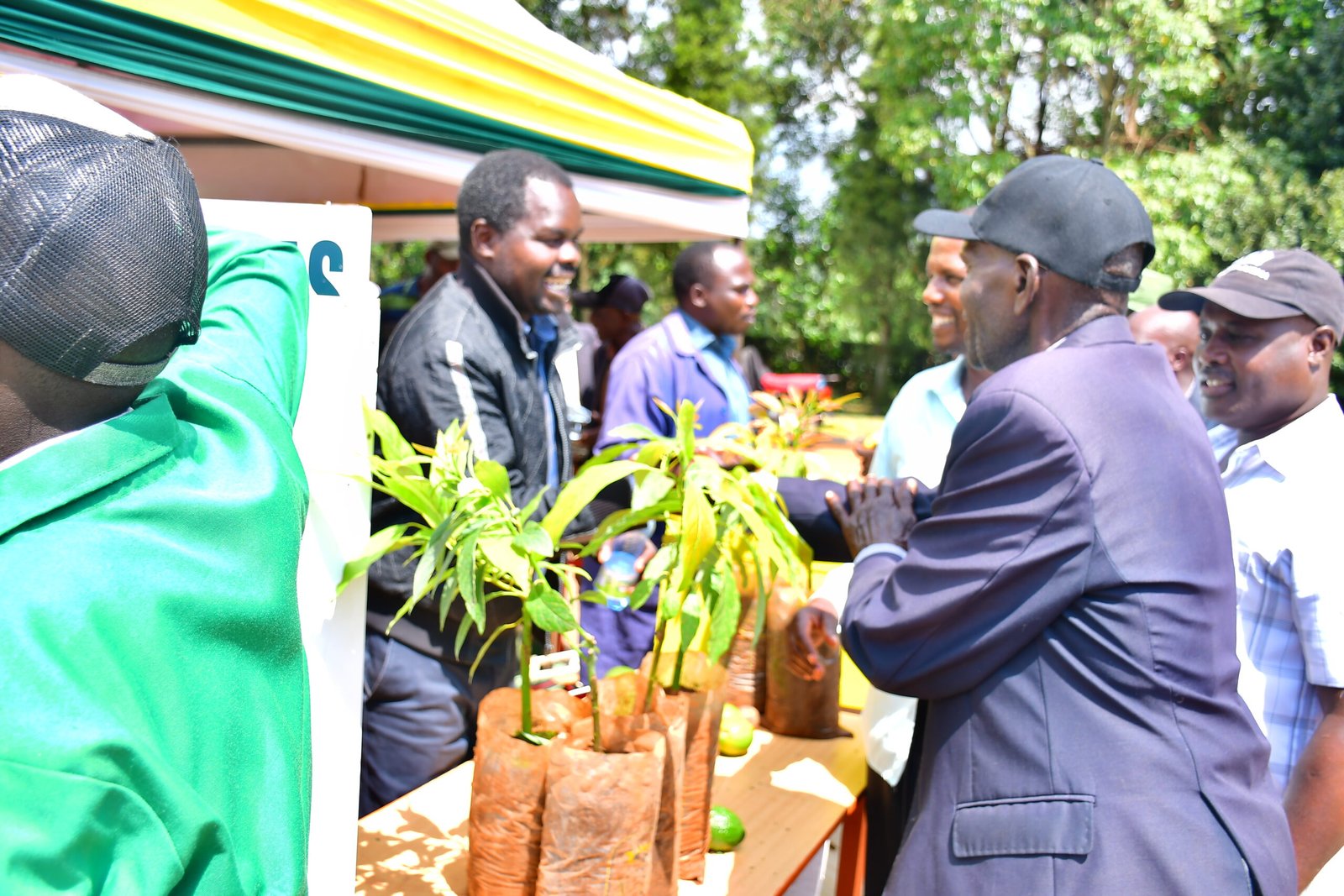
Tea farmers are at the heart of the tea value chain. Supporting their livelihoods is essential to building a resilient and sustainable tea industry.Momul Tea Factory supports income diversification by providing farmers with avocado seedlings and beehives at subsidised prices. These initiatives offer farmers opportunities to explore additional sources of income alongside tea farming.By encouraging diversified livelihoods, Momul supports a farming community that can pursue additional economic opportunities while continuing to contribute to Kenya’s tea sector.

3. Investing in Education and Community Development
Responsible business also means investing in people and creating opportunities for future generations.Momul Tea Factory supports needy students through educational sponsorships, helping them access schooling and pursue their ambitions.This commitment reflects the role businesses can play in community development beyond their core commercial activities. Supporting education helps nurture future generations and strengthens the communities connected to the tea industry.

4. A Commitment to Responsible Tea Production
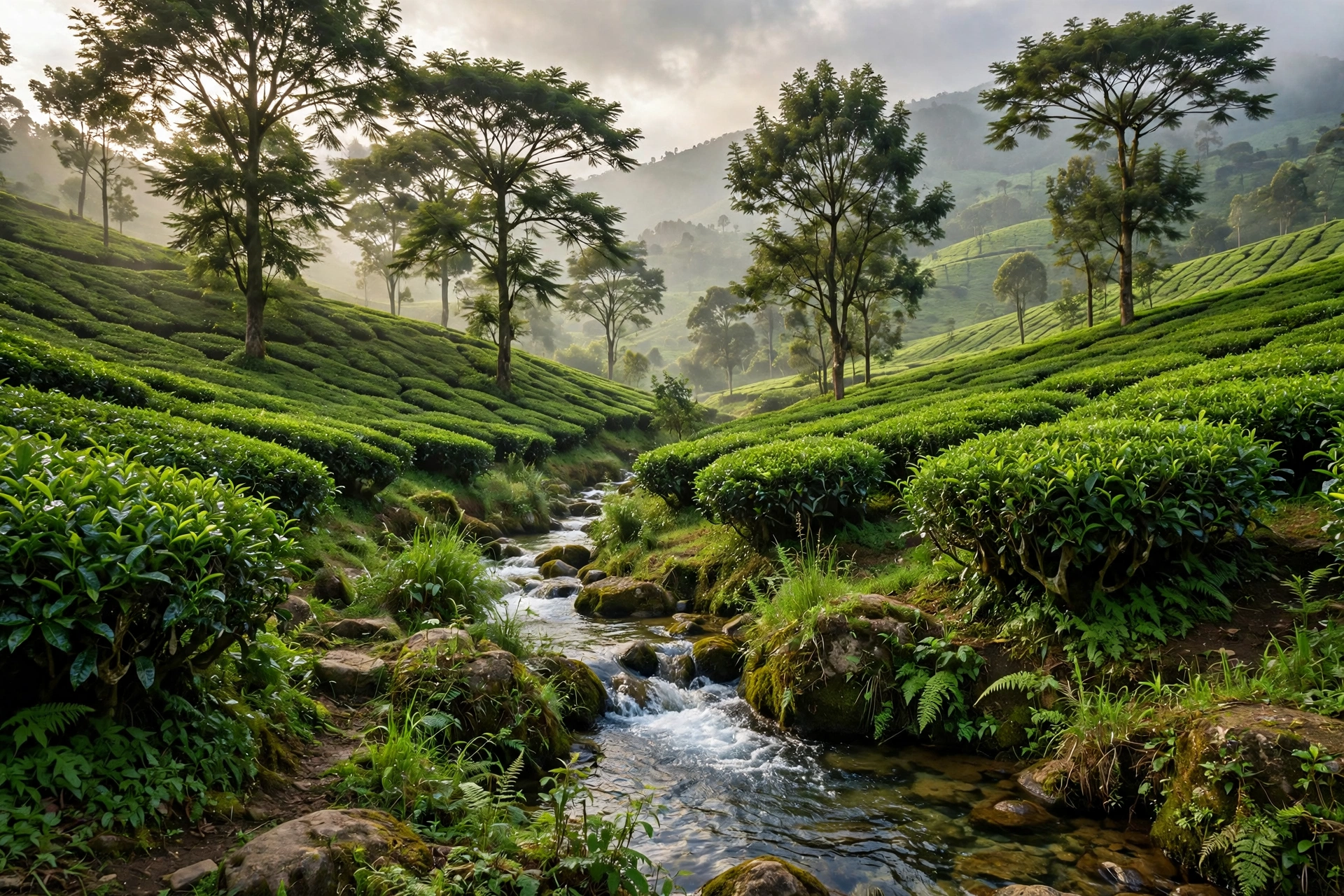
Momul Tea Factory’s sustainability initiatives complement its broader commitment to quality tea, farmer welfare and responsible business practices.From supporting farmers and promoting cleaner energy to participating in conservation initiatives, these efforts demonstrate how tea production can contribute to economic opportunity while recognising environmental and social responsibilities.The factory’s history is rooted in smallholder tea farming, with its mission focused on providing efficient services in tea production, green-leaf collection and processing for the benefit of stakeholders.
5. Celebrating the ACIS 2026 Recognition
The Africa Commerce & Industry Summit & Awards provides a platform for recognising businesses contributing to Kenya’s trade, industry and economic development. The Sustainability & Responsible Business Award highlights the importance of environmental stewardship, community impact and responsible business conduct.For Momul Tea Factory, this milestone represents an opportunity to celebrate the farmers, employees, management, stakeholders and communities whose contributions support the factory’s sustainability journey.It also reinforces the importance of continuing to strengthen environmental initiatives, improve farmer support and create lasting value throughout the tea value chain