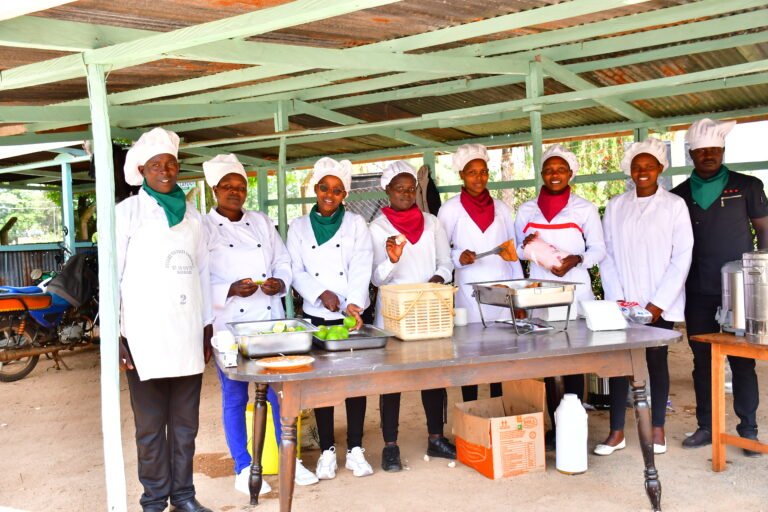
The Tea Board of Kenya joined stakeholders, farmers, and industry leaders for the event, which was led by Cabinet Secretary for Agriculture and Livestock Development, CS Mutahi Kagwe.
Key guests included Kericho Senator Aaron Cheruiyot, Principal Secretary Dr. Kipronoh Ronoh Paul from the Ministry of Agriculture and Livestock Development, Kenya Bureau of Standards Managing Director Esther Ngari, and Tea Board of Kenya CEO Willy Mutai. Leaders from across the tea value chain were also present.

Momul marked the day with three major milestones.
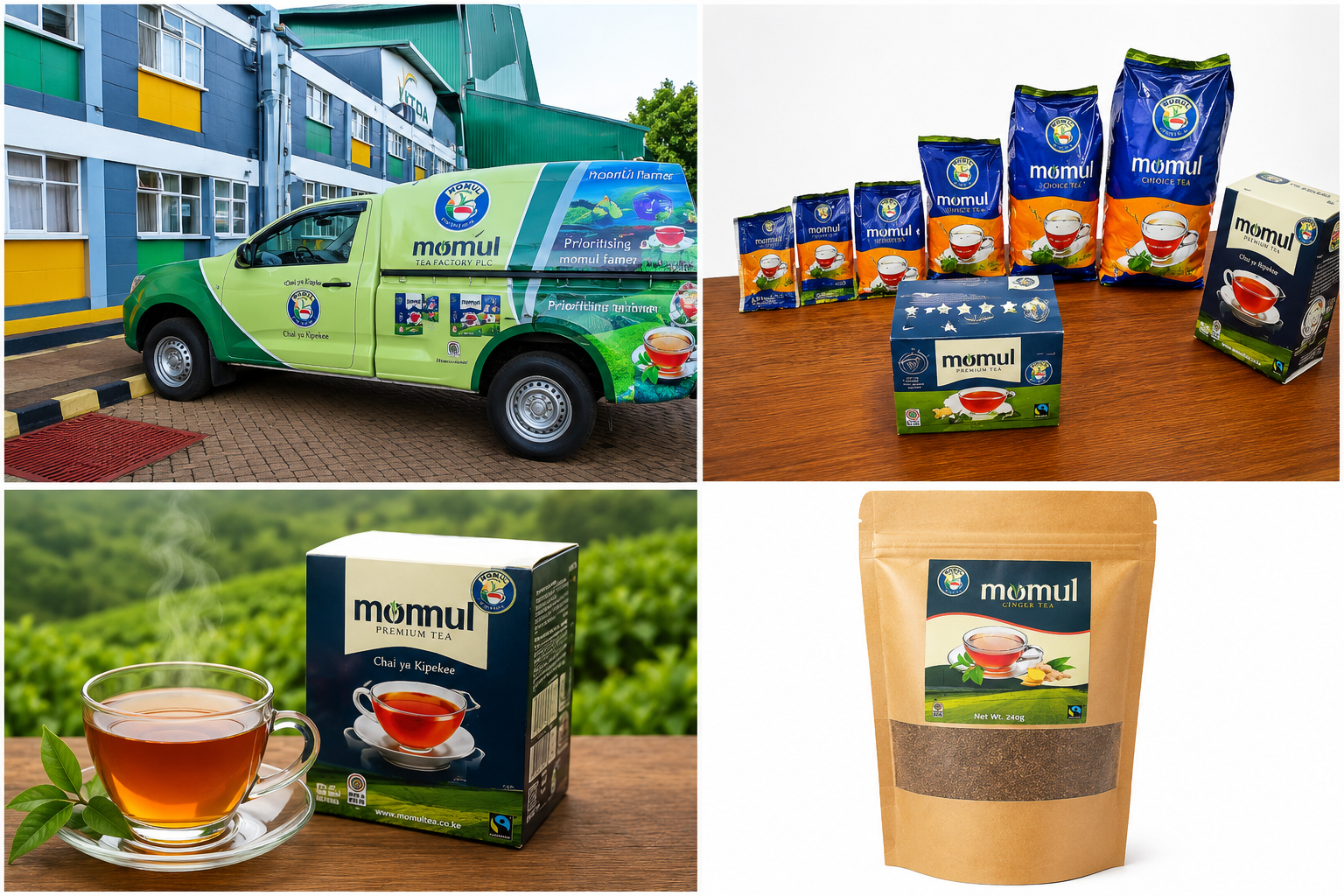
The company unveiled a new tea product, launched a new delivery vehicle, and commissioned a modern orthodox tea processing plant. These investments are aimed at strengthening value addition, improving operational efficiency, and boosting Kenya’s competitiveness in global tea markets.
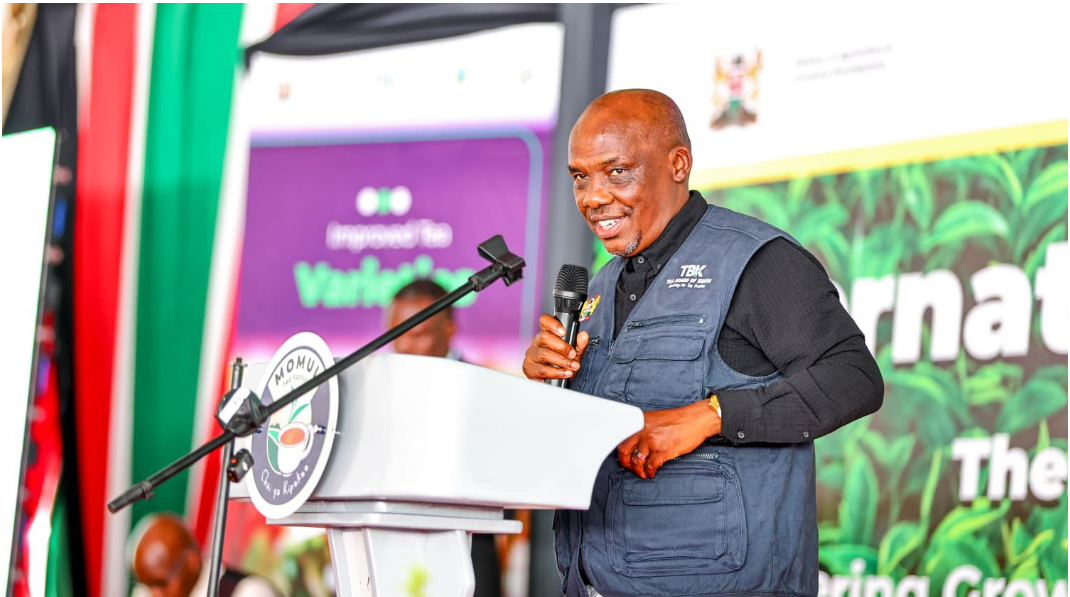
Cabinet Secretary Mutahi Kagwe officially launched all the new developments. He reaffirmed the government’s commitment to supporting industrial growth and value addition within the agricultural sector.
The celebration highlighted the role of Kenya’s tea industry in driving livelihoods and economic growth.
Tea continues to support rural development, create jobs, and generate significant foreign exchange earnings. The event also reinforced the sector’s commitment to innovation, sustainability, and expanding market opportunities for both farmers and processors.
The Tea Board of Kenya reiterated its commitment to backing initiatives that elevate Kenyan tea and position it as a premium global brand.
Momul’s new orthodox tea processing plant puts Kenya on a stronger footing to compete in specialty tea markets. Unlike CTC tea, orthodox tea is processed using traditional rolling and oxidation methods that preserve leaf integrity and flavor complexity. This opens doors to premium buyers in Europe, the Middle East, and Asia who pay higher prices for quality over volume.
The launch of the delivery vehicle also tackles a long-standing bottleneck: getting Momul Tea products from the factory to the customers which in turn increases volumes in sales. This means higher payouts for farmers . When logistics improve, the whole value chain moves faster.
Government and Industry Backing
CS Mutahi Kagwe’s presence underscored the government’s push for agricultural industrialization. By supporting value addition locally, Kenya retains more of the export earnings that would otherwise go to overseas blenders and packers.
Senator Aaron Cheruiyot and PS Dr. Kipronoh Ronoh Paul emphasized the need for policy and infrastructure to keep pace with private-sector investment. KEBS MD Esther Ngari noted that quality standards and certification will be critical as Momul scales up production for export markets.
What This Means for Farmers and the Market
For smallholder farmers supplying Momul, the new plant means more consistent intake and the potential for better prices tied to quality grades. Value addition also creates jobs beyond the farm gate, from machine operators to logistics and quality control staff.
For the market, Momul’s expansion adds to Kenya’s portfolio of origin teas. With growing global interest in traceable, single-origin teas, “Momul, Kericho” can become a recognizable mark of quality.
investment diversification
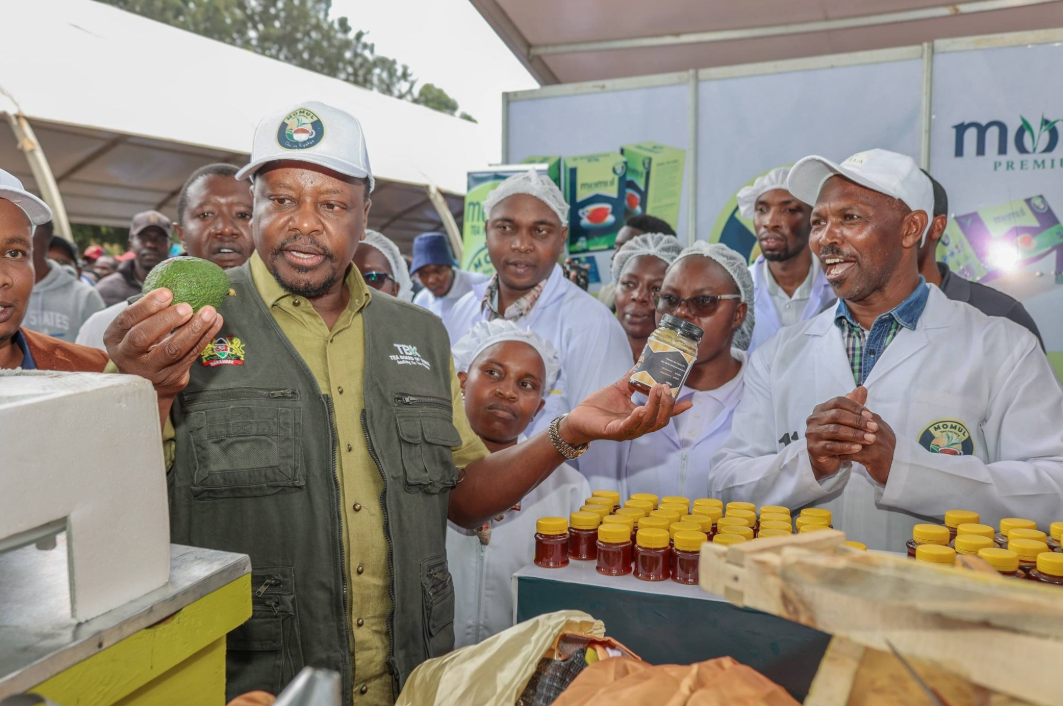
The Majority Leader applauded the diversification efforts by Momul Tea Factory, highlighting investments in avocado farming and honey production as key alternative income generators for the factory and its farmers. He noted that the diversified investment portfolio strengthens financial sustainability, adds value to agricultural produce, and creates more economic opportunities for tea farmers and the surrounding community.
Looking Ahead
International Tea Day at Momul wasn’t just a celebration. It was a signal that Kenya’s tea industry is shifting from raw bulk exports toward branded, value-added products. If other processors follow suit, the sector can capture a larger share of the global specialty tea market, which is projected to grow steadily through 2030.
The Tea Board of Kenya’s continued support for such initiatives will be key. By aligning policy, standards, and market promotion, Kenya can position itself not just as the world’s largest exporter of black tea by volume, but as a leader in premium origin tea.